
Sub-metering is a vital tool that has become increasingly important for residential, commercial, and industrial properties in Ontario. This practice allows property owners and managers to divide utility costs—like electricity, water, and gas—among individual tenants or units, promoting fairness, cost savings, and environmental sustainability. In this blog, we’ll explore what sub-metering is, how it works in Ontario, the legal landscape surrounding it, and the benefits it provides to both tenants and property owners.
What is Sub-Metering?
Sub-metering refers to the installation of individual meters in a multi-unit building or complex to measure the utility consumption (such as electricity, water, or gas) of each individual unit or tenant separately. Unlike traditional metering, where utility costs are divided among all tenants, sub-metering ensures that each tenant pays only for the amount of utility they actually use.
In Ontario, sub-metering is most commonly applied to electricity, but it can also be used for water and gas. The practice can be found in apartments, condominiums, commercial office spaces, and other multi-unit buildings.
How Sub-Metering Works in Ontario
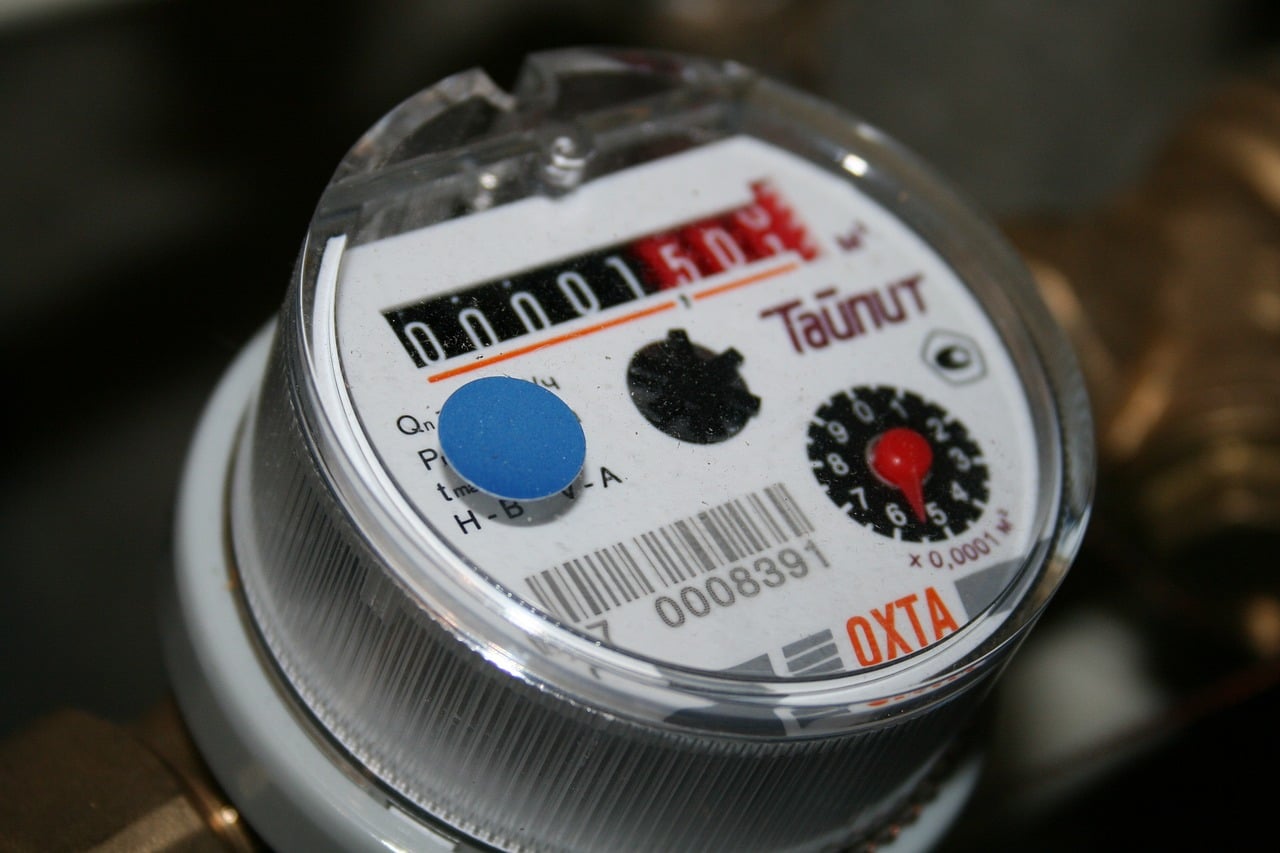
In Ontario, sub-metering works by installing a secondary meter for each unit or tenant within a property. This meter is connected to the main utility supply (such as the electrical grid or water distribution system) and is used to track the specific consumption of each unit.
Once the sub-meter is installed, utility costs are calculated based on each tenant’s usage. The building owner or property management company then bills the tenants directly, rather than spreading the total utility costs across all units.
For example, if a tenant uses 500 kWh of electricity in a month and another uses 1,000 kWh, each tenant will only be billed for their respective consumption. The building owner or property manager typically charges a fee for the installation, maintenance, and administration of the sub-metering system.
Legal Framework and Regulations for Sub-Metering in Ontario
Sub-metering in Ontario is regulated by several key bodies and follows specific rules to ensure fairness and transparency. The Ontario Energy Board (OEB) is responsible for overseeing electricity sub-metering, while the Ontario Building Code (OBC) and the Residential Tenancies Act (RTA) govern the rules surrounding water and gas sub-metering.
Here are some important regulations and guidelines to know:
- Ontario Energy Board (OEB): The OEB regulates electricity sub-metering, ensuring that charges for sub-metered electricity are fair and transparent. Building owners are required to follow OEB guidelines when billing tenants for electricity, which includes providing clear and detailed statements of usage and charges.
- Billing Transparency: Property owners must provide tenants with monthly or bi-monthly utility statements that detail the consumption and charges for sub-metered services. The billing process must be transparent, and tenants must be able to verify their consumption against the meter readings.
- Limits on Mark-ups: The OEB has set regulations on the maximum amount that property owners can mark up electricity sub-metering charges. The mark-up cannot exceed a specified percentage of the cost, ensuring that tenants are not overcharged for their consumption.
- Water and Gas Sub-Metering: In Ontario, sub-metering for water and gas is governed by the Ontario Building Code (OBC), which requires the installation of separate meters for each unit in certain circumstances. Water and gas sub-metering may also be subject to rent control provisions under the Residential Tenancies Act.
Benefits of Sub-Metering
Sub-metering offers numerous advantages to both property owners and tenants in Ontario. Let’s take a closer look at these benefits:
For Tenants:
- Fair Billing: With sub-metering, tenants only pay for what they use, making the billing process more equitable and transparent. This can lead to savings for tenants who are conscious of their utility consumption.
- Incentive to Conserve: Sub-metering provides tenants with a direct financial incentive to reduce energy or water consumption. Tenants are more likely to adopt energy-efficient habits and make sustainable choices, knowing it will impact their monthly bills.
- Clearer Billing Statements: Sub-metering allows tenants to receive detailed billing statements that break down their usage and costs, providing clarity and helping them understand how their utility consumption is calculated.
- Cost Control: For tenants who are environmentally conscious or trying to reduce their utility bills, sub-metering allows them to directly control their usage and costs. This is particularly beneficial in high-usage properties like apartment buildings or mixed-use developments.
For Property Owners:
- Reduced Energy Costs: By passing utility costs directly to tenants, property owners can reduce their own energy expenses. This can lead to more predictable cash flow and lower overhead costs, especially in large residential or commercial properties.
- Reduced Administrative Burden: Sub-metering systems can streamline billing processes by automatically tracking individual unit usage, reducing the time and resources spent on calculating and managing utility charges.
- Attracting Tenants: Properties with sub-metering are often more attractive to prospective tenants because they offer greater control over utility costs. This can give property owners a competitive edge in a crowded rental market.
- Promoting Sustainability: By encouraging tenants to conserve energy and water, sub-metering contributes to environmental sustainability. It helps reduce overall resource consumption, which can improve the building’s environmental performance and lower its carbon footprint.
Challenges and Considerations of Sub-Metering
While sub-metering offers many benefits, there are some challenges and considerations that property owners and tenants should be aware of:
- Initial Installation Costs: Setting up a sub-metering system can be expensive, especially in older buildings that need to be retrofitted. However, this investment can often be recovered through the savings generated by more efficient utility billing.
- Maintenance and Management: Sub-metering systems require regular maintenance to ensure they are functioning correctly. Property owners may need to budget for ongoing system maintenance and any necessary repairs.
- Tenant Education: Tenants may need to be educated about how sub-metering works and how they can control their utility usage to avoid high bills. Clear communication about billing processes and consumption habits is essential.
- Regulatory Compliance: Property owners must ensure they comply with all applicable regulations, such as the OEB’s electricity sub-metering rules and the Ontario Building Code for water and gas sub-metering. Non-compliance can result in legal issues or fines.
Conclusion
Sub-metering in Ontario has proven to be an effective way to promote fairness, sustainability, and cost savings in multi-unit buildings. Whether you’re a property owner looking to reduce energy costs or a tenant who wants more control over utility expenses, sub-metering offers significant advantages. By understanding the legal framework and benefits, you can make informed decisions about whether sub-metering is right for your property. As Ontario continues to focus on sustainability and energy efficiency, sub-metering will play an essential role in managing resource consumption and reducing environmental impact.
Are you a property owner considering sub-metering for your building? Or a tenant looking to better understand how sub-metering affects your utility bills? Share your thoughts and questions in the comments below!